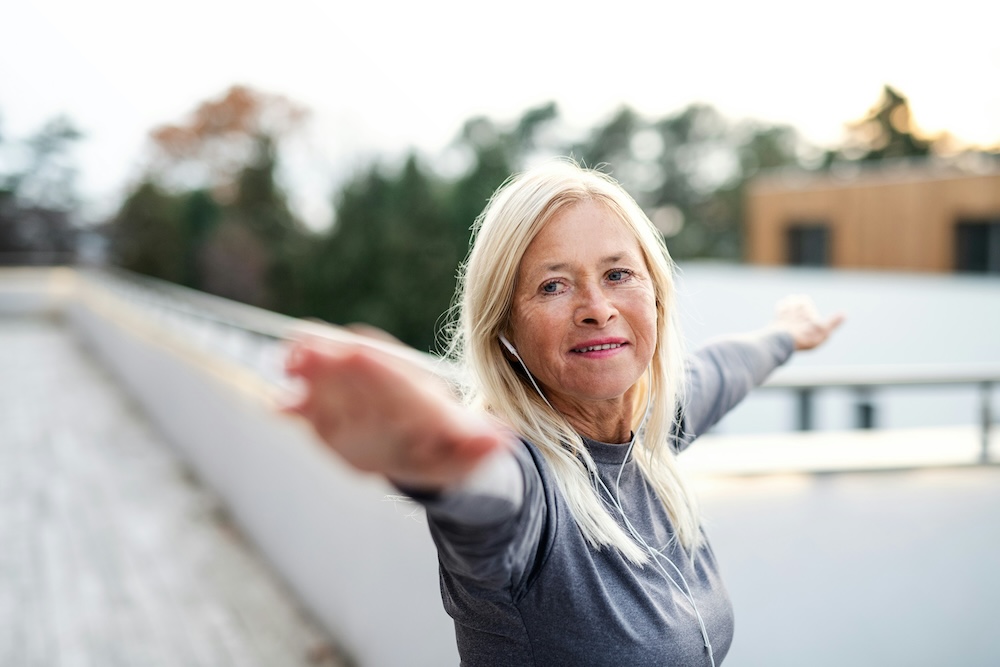
Have you heard of the term ‘helper’s high’? Find out how volunteering can boost your mental and physical health as you get older.
As we get older and either retire or reduce the amount of time we spend working, we need to find other ways to fill our time and find purpose. An excellent solution to fill these gaps is volunteering; and the good news is that, when you volunteer you don’t just help others – you also help yourself.
Research shows that acts of service boost our emotional well-being, reduce stress, and improve our physical health. In this article you can read insights into why helping others nurtures a sense of belonging and accomplishment, and advice on how to reap the benefits of volunteering.
Why volunteering is good for you as you get older
It’s well known that volunteering is much more than just a way to help others; it also delivers measurable benefits for our own mental and emotional health. Research shows that people who regularly volunteer experience lower levels of depression, greater life satisfaction, and even improved physical health over time.
This becomes especially important as you get older. One study found that adults over the age of 50 who volunteered more than 100 hours a year had a reduced risk of mortality and physical functioning limitations, higher physical activity, and better psychosocial outcomes. They are more optimistic, have more purpose and have fewer depressive symptoms and less hopelessness and loneliness than people who do not volunteer.
Five ways volunteering can boost your health
Here are five ways that volunteering can help to boost your health, from Josh Spurlock, MA, LPC, NICC, a mental health expert at MyCounselor.Online.
1) Volunteering improves life satisfaction and psychological well‑being
A comprehensive 2023 umbrella review found that a large majority of studies report positive effects of volunteering on life satisfaction, purposefulness, pride, self‑esteem, and positive affect. This suggests that serving others consistently enhances key dimensions of emotional health.
2) Volunteering reduces depression and increases empowerment
According to the review, most studies show volunteering is linked to lower depressive symptoms and greater empowerment, indicating psychological benefits beyond momentary mood improvements.
3) Volunteering improves our physical health and longevity
The review also found that volunteering is linked with improved physical functioning, and some older studies even suggest a connection to longer life. These benefits go beyond mental health to support long‑term physical well‑being.
4) Volunteering connects us socially and reduces isolation
Volunteering boosts social engagement and community support, which are strong predictors of well‑being. Research shows that increased social support helps mediate the relationship between volunteering and overall life satisfaction.
5) Volunteering reduces stress and boosts our mood and sense of purpose
A review of research in Psychology Today discovered that volunteers often report lower stress and anxiety, improved mood, and a stronger sense of purpose. These benefits are strongest when the motivation is to help others, rather than personal gain.
How to reap the benefits of volunteering
Getting involved in local community groups and events, charitable organisations, churches, or helping family or friends all helps to strengthen your sense of community. It also nurtures your spiritual well-being, giving you a greater sense of purpose, connection, and fulfilment.
Here are some ways you can reap the benefits of volunteering:
- Schedule regular acts of service: Committing to weekly or monthly volunteering reinforces purpose and creates a predictable rhythm of giving.
- Volunteer in alignment with your personal values: Choosing activities that reflect your passions, interests, beliefs and moral priorities strengthens the sense of meaningful contribution.
- Help your local community, friends and family: Shared experiences deepen connection, reinforce relationships, and provide mutual encouragement.
- Reflect and integrate: Taking time to reflect on your volunteering experiences can increase your sense of gratitude, compassion and self-awareness.
- Start small and stay consistent: Even brief acts of kindness, such as helping a neighbour, can have measurable psychological and spiritual benefits over time.
Look for opportunities to volunteer near you
If you want to enjoy a happier, healthier, longer and more purposeful life as you get older, then you might want to consider volunteering. If you don’t know where to start finding volunteer roles, you can use websites like Get Volunteering, or contact charities or organisations that are close to your heart.
There are so many ways to volunteer, from helping out at school events or becoming a school governor, to Park Runs, charity shops and even walking an elderly neighbour’s dog. And you don’t need to wait until you have actually retired; by getting involved in causes close to your heart now, you can reap the benefits early, and start to build a rich life ready to walk into when you are ready to stop working.