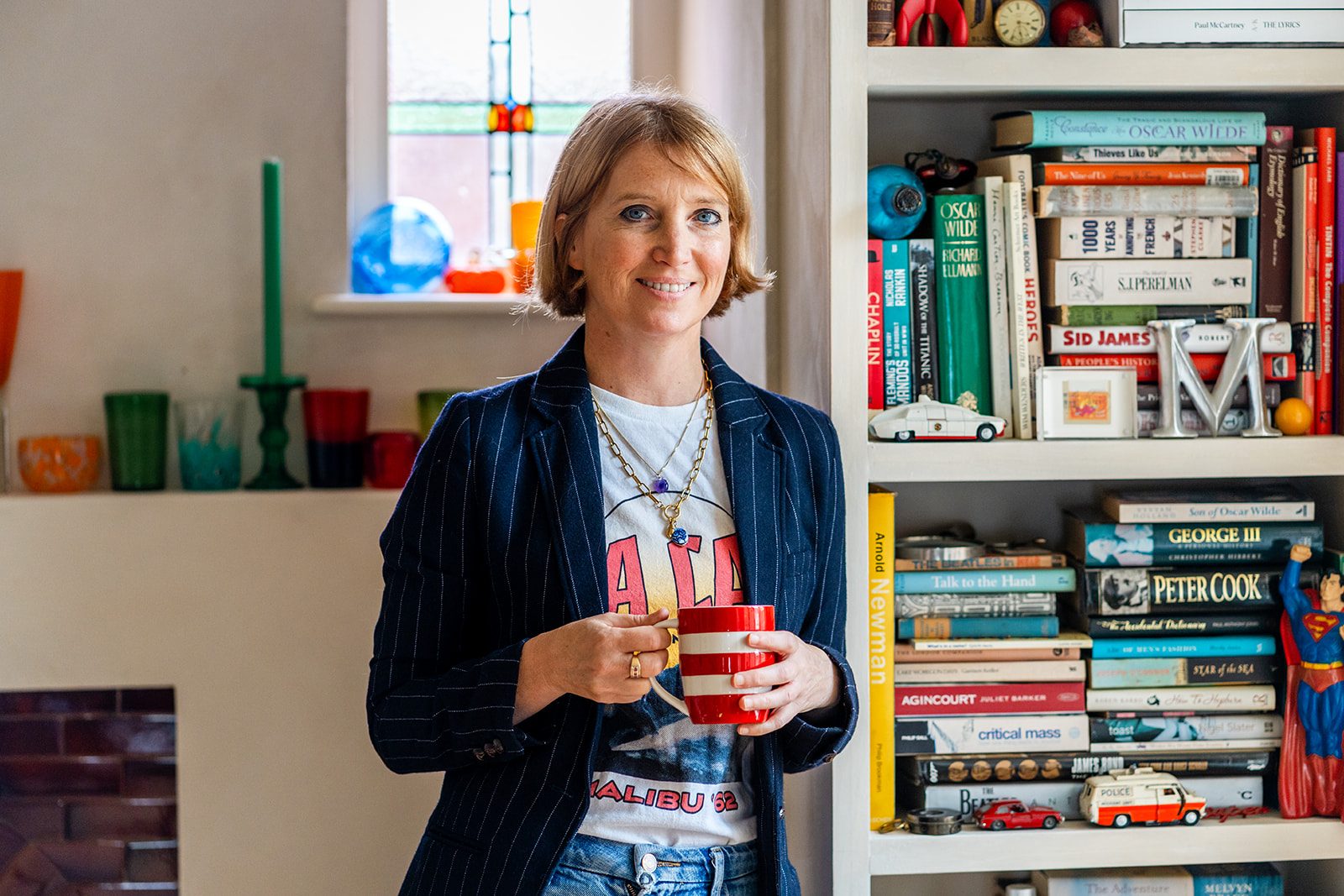
Is it possible to build a pension in your 50s? How I saved £460,000 in eight years
Is it possible to build a pension in your 50s? On 18 November, The i paper published a story on me titled: “At 47, I was heading into pension poverty – here’s how I got a £460k pot by 53.”
With a headline like that, it has unsurprisingly been a popular article and attracted a lot of interest on Facebook. A quick, amusing look at the comments on The i paper’s post reveals that many people either don’t believe that I had saved up so much in such a short amount of time, or assume I have had some kind of help they do not.
I am very happy to say that the story is true – I genuinely did build a pension pot of that size in that timeframe. I can also confirm I had no help from anyone else, including my parents or husband.
I don’t come from a wealthy family. As children my brother and sisters and I qualified for free school meals, and one year my parents made our Christmas presents as they couldn’t afford to buy us anything. My parents have not financially supported me since I left home in my late teens.
My husband has also not helped me. We have completely separate finances and I have earned my own money and contributed to our household expenses. I also put my son through private school myself, with no financial help from anyone.

How I built a pension pot of £460,000 in eight years
Given the number of incorrect assumptions I thought it might be helpful to explain how I managed to save a £460,000 pension pot by the age of 53, despite not properly starting until my mid-40s. I also want to share what you can do too to help improve your retirement finances, based on my experience.
Compared to some of the wild theories on Facebook, the truth about how I managed to invest such a large amount of money in my pension is actually quite boring. In 2013 I launched a business, Talented Ladies Club. For several years the business didn’t make much of a profit so I worked on it without taking any income from it. Instead, to earn money, I continued my work as a freelance copywriter alongside growing my business, often working seven days a week.
During these years I lived frugally, choosing to invest any extra money I earned freelancing in my son’s education. This meant no annual family holidays (luckily my parents live in a beautiful part of Devon and we would visit them), and driving an old car.
I became used to living a frugal life, and when the business started to make a profit, I initially made few lifestyle changes and the money built up in my business bank account. One day my accountant asked if I had started a pension, as I was earning enough to invest in one, and this would help reduce my Corporation Tax bill.
So I looked into paying some of my profits into a pension; after all who doesn’t want to (legally) avoid paying any unnecessary tax? It turned out I had enough saved up to use my carry forward allowance from previous years, too.
Once I started saving, I enjoyed watching my pension grow, while reducing my tax bill. So I made sure that I invested the maximum each year (this is currently £60,000). I also consulted with an independent financial advisor to check my plan made financial sense, and that I had picked a good pension fund.
My pension fund is presently around £460,000 and I will continue to pay into every year, as long as my business can afford to. When I reach the age where I can withdraw from my pension I will review what I want to do then. It is likely I will continue working on passion projects – like Rich Retiree – without the pressure of needing to earn an income.
I wasn’t always pension-savvy
I came to investing in pensions late in life. Like many Gen Xers, I missed out on both defined benefit (also known as final salary) pensions, as well as auto-enrolment. I remember speaking to a financial advisor in my 20s in Hong Kong, where I lived at the time, and being shown a chart showing how much a pension could grow if I started investing in one then, but I wasn’t motivated enough to take action.
Like many people, I felt like my retirement years were so far away and I just assumed that ‘something’ would happen and I would be okay. When I returned to live in the UK, the company I worked for had a voluntary pension scheme in which they would match your contributions, but by that point I had a large mortgage and a child to pay for, and no spare money left at the end of the month to take advantage.
Eventually, in my late 30s, common sense won over and I joined my company’s pension scheme, but left to go freelance a few months later, so only amassed around £1,000.
But I HAVE always been money-savvy
While I was slow to start and invest in a pension, I have always been good with money. In my 20s, while living in Hong Kong, I saved £15,000 for a deposit on a house in just five years, despite only earning between £10,000 and £28,000 a year during that time – a very modest salary for expats in Hong Kong. I also saved enough to spend a year traveling the world before moving back to the UK. I achieved this by renting a cheap, fourth floor walk up flat in a less desirable area, and living as cheaply as I could.
For me, the instant gratification of owning a designer piece of clothing, eating in a fancy restaurant or flying business class isn’t as attractive as the financial freedom of saving for my future. I am genuinely happy living a more frugal life (while still having fun) so I can save up for something big I want. And right now, the big thing I want is a retirement free from money worries, and full of exciting experiences.
How you can build up your own pension pot
I am incredibly fortunate that I have been able to invest such a large amount of money in my pension, especially as I started so late. And while not everyone may be able to save so much so quickly, it is absolutely possible to change your future financial fortunes with some simple actions now. Here is what I recommend.
Start a pension
If you don’t already have one, start a pension. Find a provider you like and open an account with them. I’ve worked with PensionBee for the past two years and I like their ethics.
Find old pensions
There is an incredible £30 billion plus lying in unclaimed, lost or forgotten pension pots across the UK. So do some digging and find out if you have a pension you have forgotten about.
Make the most of your company pension
If you are employed and qualify, check your company has auto-enroled you in their pension scheme, and is contributing. Even if you don’t qualify you can still ask your employer to enrol you. If you earn over £6,240 a year your employer must also pay into your pension. Here’s a handy calculator to estimate how much you and your employer will pay into your pension.
Invest in your own pension if you work for yourself
If you are self-employed, you can get tax relief on private pension contributions, up to an annual maximum of £60,000. When you pay into your pension, your pension provider will claim tax relief from the government at the basic 20% rate and add it to your pension pot.
If you run a limited company, you can also invest up to £60,000 a year into your pension as a tax-free benefit. This means that the amount of money you pay Corporation Tax on is reduced by the sum that you have put into your pension. This is what I did to build my pension pot.
Maximise your income
Once you have set up your pension and understood the tax benefits of contributing to it, you can then work at maximising your income so you can build your pot. This might include working overtime, asking for a pay rise or changing job to a more highly paid role if you are employed. You may also consider starting a business or offering your services on a freelance basis in your free time.
If you work for yourself, look for opportunities to increase the number of projects you are working on, and how much you earn for them. I have successfully helped many women to raise their rates and attract MORE clients as a result.
I also recommend finding ways to grow your business by focusing on the most lucrative areas. A few years ago, I conducted an audit on my business, and looked at what activities earned the most money per hour. I discovered that one overlooked part of my business was by far the most lucrative. I focused on building this area of my business up, and it has pretty much single-handedly funded my pension pot.
Reduce your outgoings
And finally, one of the main barriers to investing in a pension for many people is lifestyle creep. This means that as their income rises, so does their cost of living.
A big reason why I have been able to invest so much in my pension is because I have been happy to live below my means. As my business became more financially successful, I didn’t significantly adjust my lifestyle. Other than allowing myself the odd luxury, I have continued to live quite frugally – and enjoyably.
How to find money for your pension every month
It may be that right now you believe you can’t afford to pay into a pension as you don’t have enough money left over at the end of the month. If this is the case, I recommend a simple but powerful exercise.
For two months (you can start now or go back and look at the past two months) track all your spending and ask yourself whether each expense is essential:
- If yes, can it be reduced? For example, can you shop around for a new utilities supplier? Or negotiate a cheaper phone contract?
- If no, can it eliminated or reduced? For example, do you need a takeaway coffee every morning, or can you make one at home to go? Or can you find a cheaper gym?
Make a list of any savings you can make on your monthly outgoings and invest that amount in your pension instead. You’ll be surprised at what a big impact even a small amount can make over time, thanks to compound interest.
For example, I worked out that by reducing the monthly outgoings of a women I was mentoring by just £154 a month, she could potentially grow her pension to more than £23,000 over 10 years. Over 15 years, the amount would rise to almost £40,000. This was calculated using a conservative interest rate of 5%; if, as many do, her pension achieves a better average rate over the years, she’d earn even more.
And it doesn’t take into account any tax benefits, either. As she works for herself, this woman could also benefit from government contributions of 20%, giving her a potential £27,700 in 10 years and £47,600 in 15 years. This is just from cancelling three monthly subscriptions she doesn’t use.
Just think: how much could you earn over 15 years by cutting down on your monthly expenses and investing the savings in a pension?
It’s never too late to start growing your pension
I feel very passionately about helping women to invest more in their future – and closing the gender pension gap. I have never before shared how much I have saved in my own pension because I didn’t want it to be off-putting. But now it’s out there, I hope my story can be inspiring. There is nothing special about me, I just worked hard and saved as much as I could.
The worst thing you can do is worry that you have left it too late or can do too little to build your pension – so take no action. However old you are and whatever your situation, you can improve your financial future by starting and investing in a pension now, even if it’s just a tiny amount. The example I shared above shows just how powerful making savings can be over time, thanks to compound interest.
So please, if you don’t feel you are on track to meet your retirement goals, do take action. And like me start working for more financial freedom when you retire.